
The Shape of Cosmos
“There are no straight lines or sharp corners in nature.” So what happens when you put them there?
This provocative project places fluorescent geometric shapes into the ocean during night dives. Plastic figures in artificial colors — triangles, circles, and rectangles. From the moment of release, chance takes over. Current, buoyancy, gravity become the only arrangers.
📍 On view at Photo Basel 2026, Solo Booth A9 · Basel Art Week 2026 · Volkshaus Basel · 16-21 June · M ART Gallery · on Photo Basel →
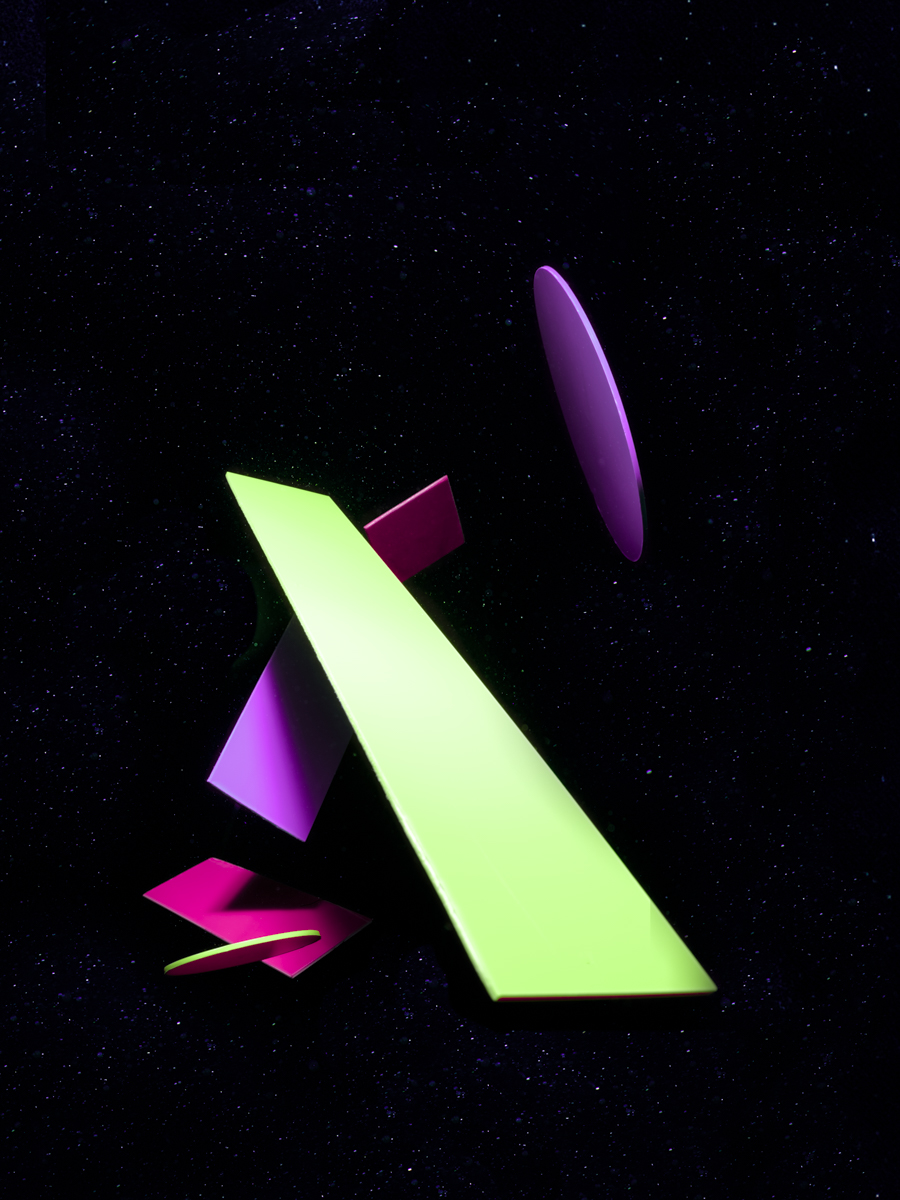
The Shape of Cosmos #1
Strobe-lit particles turn dark water into a field of suspended stars. The shapes drift through open water — an underwater cosmos, coming together and drifting apart in configurations that never recur. Abstract, sometimes futuristic. Each composition is determined entirely by chance. Nothing repeats.

The Shape of Cosmos #3
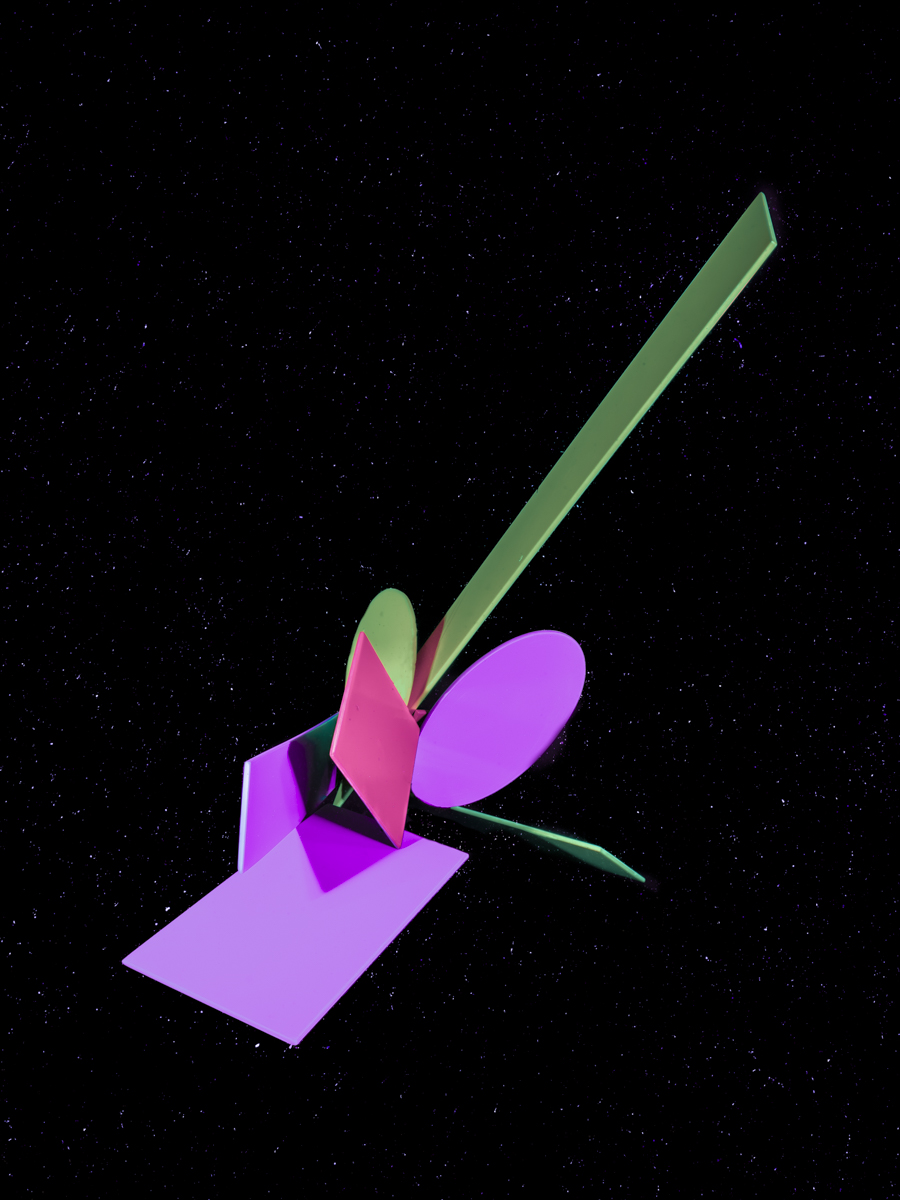
The Shape of Cosmos #4
Beautiful, alien, uninvited.
What we create stands in contrast to what is natural — the divide between the artificial and the organic. Pointing toward a world where synthetic creations replace living ecosystems. We do not know what artificial life forms may emerge in the future, or what they may look like. Will they be beautiful or disturbing? What is synthetic begins to look as though it belongs. It does not. Straight photographs.

The Shape of Cosmos #2
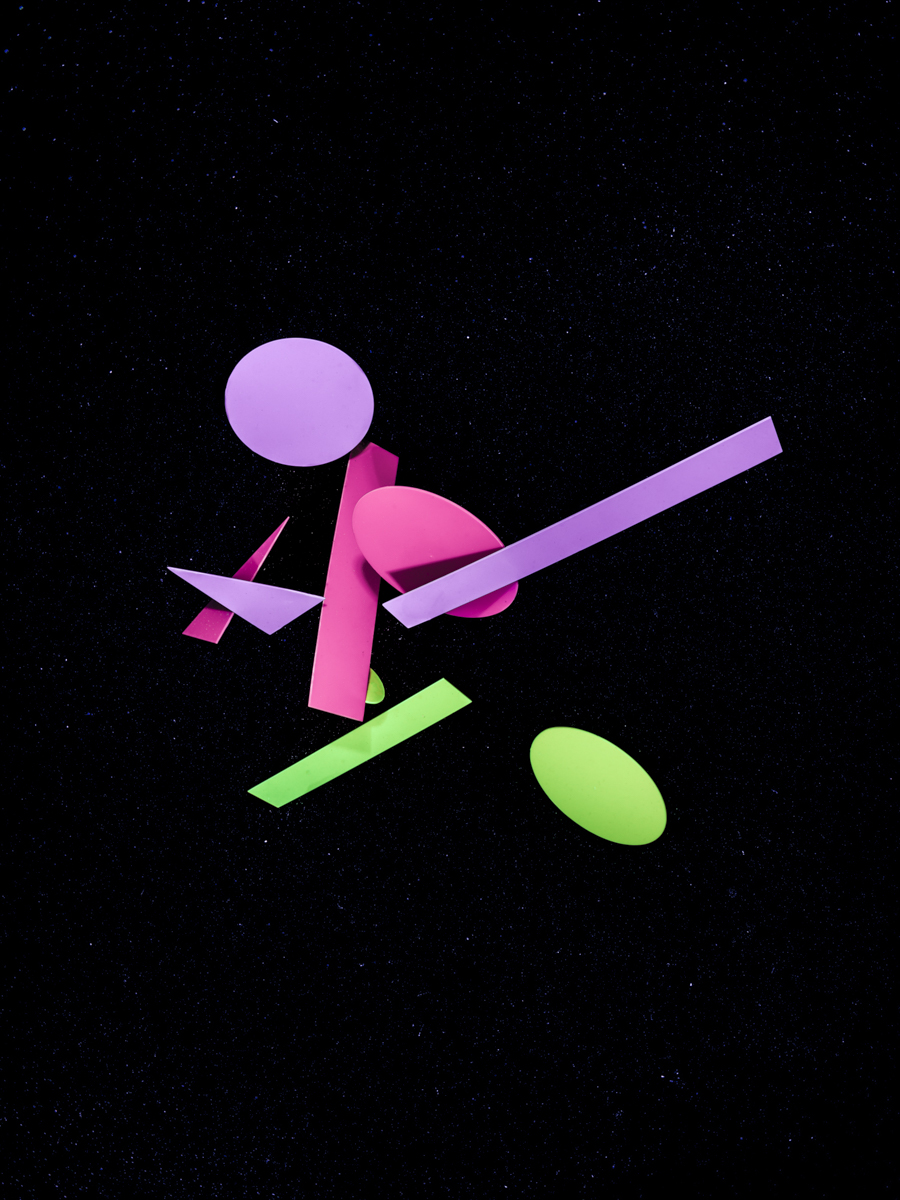
The Shape of Cosmos #5

The Shape of Cosmos #6
Available sizes
- 16 x 12 in (40 x 30 cm), Edition of 12 + 2 AP
- 32 x 24 in (80 x 60 cm), Edition of 6 + 2 AP
- 47 x 35 in (120 x 90 cm), Edition of 3 + 2 AP
- 50 x 71 in (127 x 180 cm), Edition of 1 + 1 AP
Featured in Aesthetica Magazine, 2025
“There are no straight lines or sharp corners in nature,” is a famous quote attributed to the architect Antoni Gaudi (1852-1926). The same idea - of human-built constructions in contrast to organic forms - underpins The Shape of Cosmos, the new series from Ukrainian-German diver and photographer Alexej Sachov (b. 1972). “Geometric shapes are rare underwater,” the artist says. “This series, with its straight, plastic figures in artificial colours, captured in weightlessness during scuba dives, illustrates how human creations are foreign to the natural world.” Here, we see fluorescent shapes - triangles, circles and rectangles - floating in a dark sea of stars, pulling together and drifting apart in many different configurations. Across his various bodies of work, all produced beneath the waves, Sachov envisions a world where synthetic objects and pollutants replace living ecosystems. This is an invitation to reflect on how we treat the planet - and the kind of future our actions are shaping.